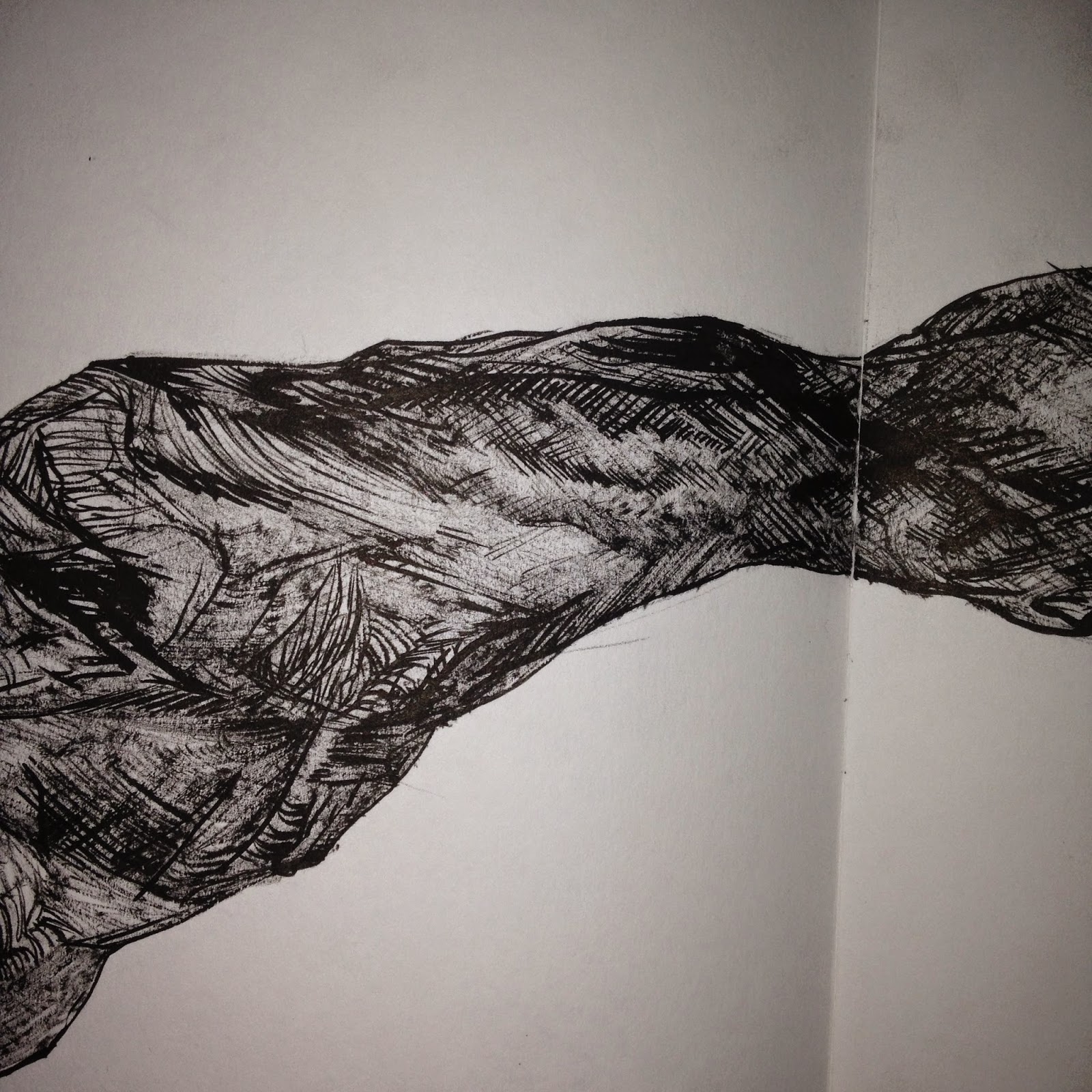
Monday, 20 October 2014

studio_practice_1

"As the geographer Pierce Lewis put it in 1979, "If we want to understand ourselves, we would do well to take a searching look at landscapes." The human landscape is an appropriate source of self-knowledge, according to Lewis, because it is our unwitting autobiography, reflecting our tastes, our values, our aspirations, and even our fears."
Understanding Ordinary Landscapes

Thursday, 16 October 2014

studio_practise_1

"The sign starts a regular activity, an inference; it is thus that the stone as a sign through its meaning, its suitability for stone-skimming, refers to a future action that can be carried out precisely because the code indicates that here we can use the rules established via previous experience. The single
instance acquires a general, rule-directed nature, and thereby a collective nature. That is the second basic function of semiotic competence: it ensures that phenomena can be repeated, remembered and stored in habits, so that we can use the signs to make inferences about the nature of the world."

Signs in Use
An introduction to Semiotics

(Introduction:pg.2)
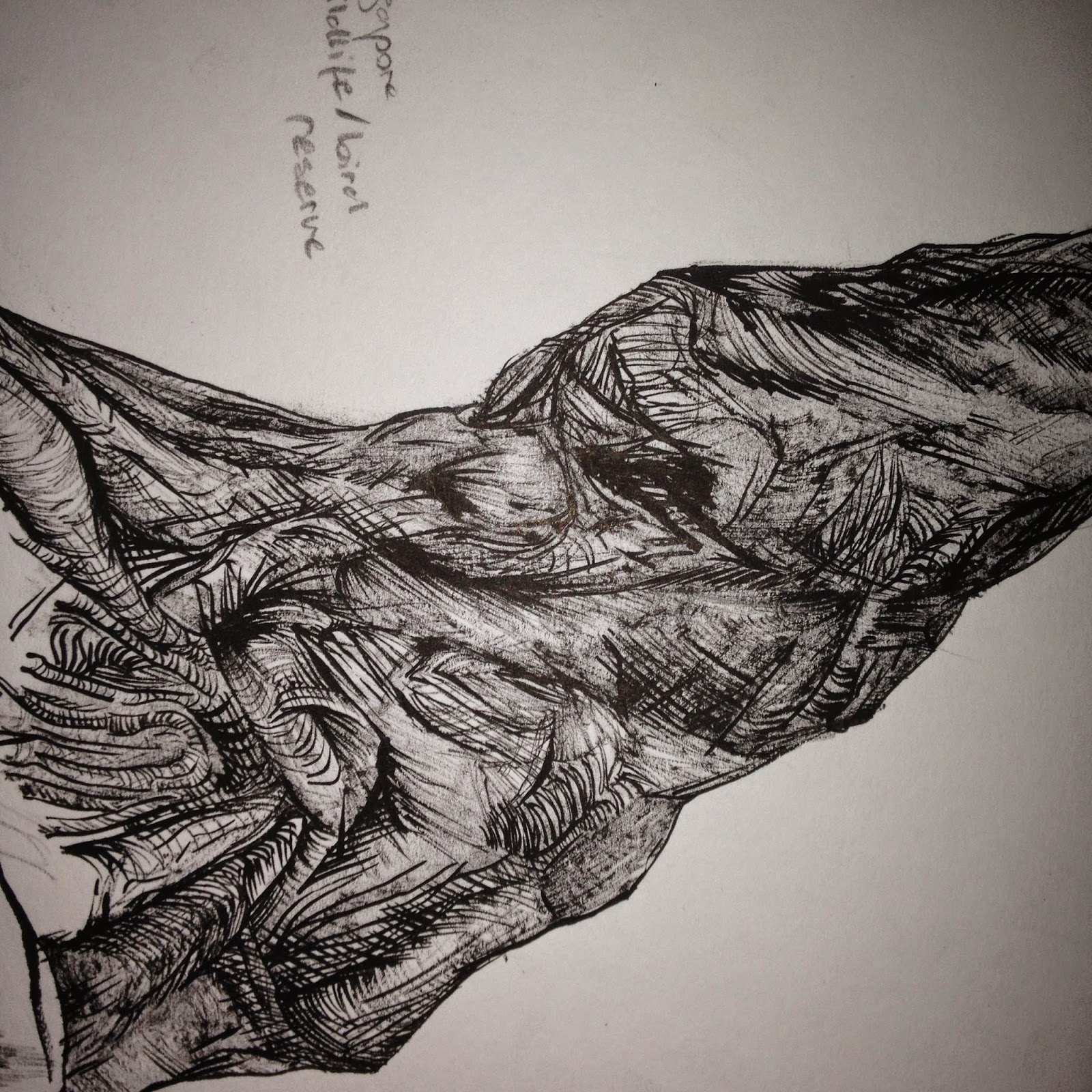
"Just as water, gas, and electricity are brought into our houses from far off to satisfy our need in response to a minimal effort, so we shall be supplied with visual or auditory images, which will appear and disappear at a simple movement of the hand, hardly more than a sign" 
(op. cit., p.226.)                 
Paul Valery, quote from,
The work of art in the age of mechanical reproduction (p.219)

Monday, 13 October 2014


"...the true and most important function of the avant-garde was not to "experiment," but to find a path along which it would be possible to keep culture moving in the midst of ideological confusion and violence."
Clement Greenberg, Avant-Garde and Kitsch